
Beyond 30A: Why Amelia Island and Crane Island Offer the Coastal Life You Were Actually Looking For
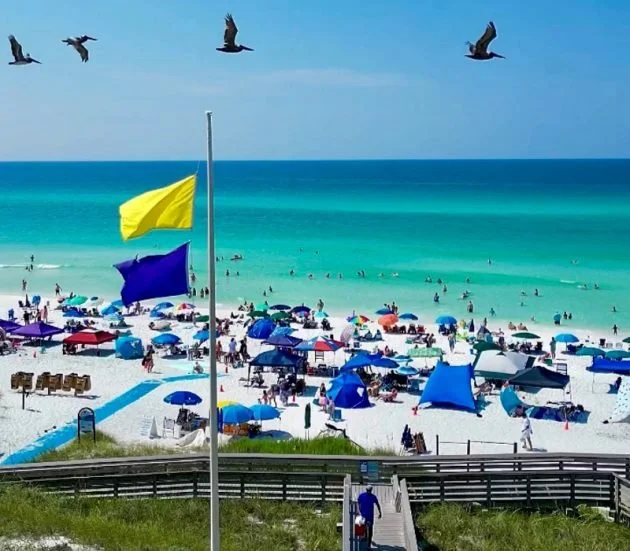
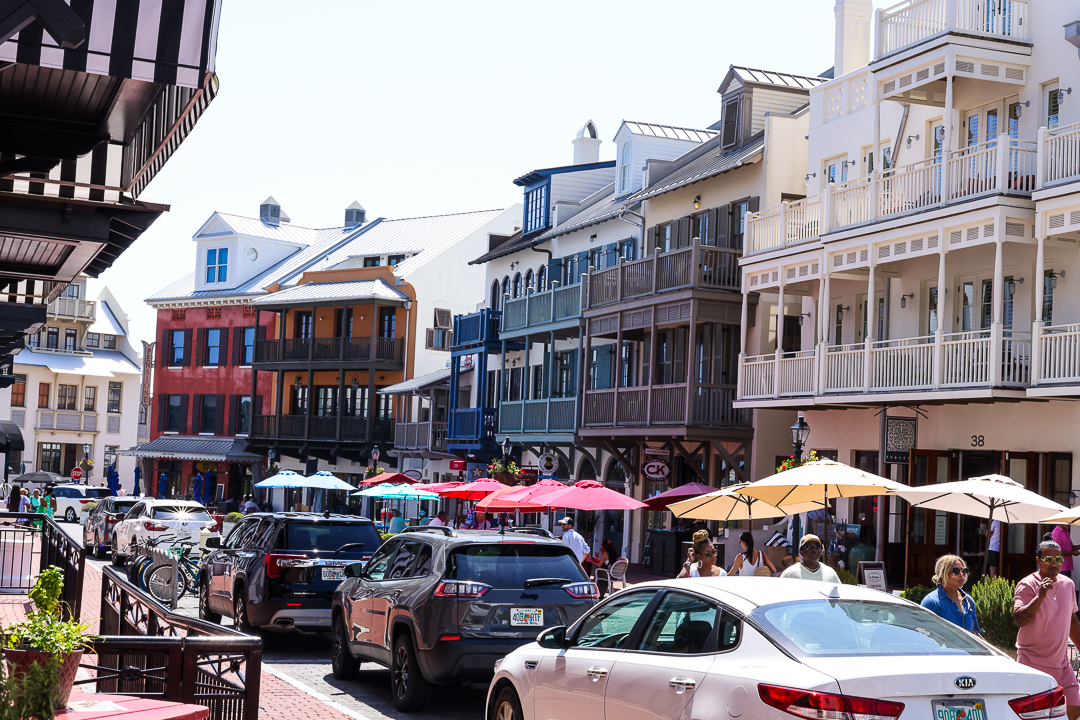
If you have spent any time along Florida's Highway 30A, you understand the spell it casts. The white-sand streets of Seaside, the alabaster courtyard walls of Alys Beach, the cedar-shingled cottages of Rosemary Beach, the dune-side boardwalks of WaterColor and WaterSound — each of these communities represents something genuinely rare in American coastal development: a place where architecture, landscape, and community life were designed to work together from the very beginning.
We hold deep respect for what the 30A corridor has accomplished. These are not accidental towns. They are the product of visionary planning, rigorous design standards, and an unwavering belief in the principles of New Urbanism — that the built environment should foster human connection, honor regional tradition, and create places worth caring about across generations.
But if you have visited recently, or if you are seriously considering putting down roots along 30A, you may have noticed something else entirely: the tension between the idea of the place and the reality of living there today.
The good news: the values that make 30A extraordinary are not exclusive to 30A. They exist, perhaps in their most authentic and unhurried form, on the northeastern coast of Florida, on Amelia Island, and within the 185 acres of a carefully stewarded community called Crane Island.
A Shared Design Philosophy, Rooted in the Same Soil
It is worth pausing to appreciate what 30A's planned communities achieved. Seaside, developed beginning in the early 1980s by Robert Davis and designed by Andrés Duany and Elizabeth Plater-Zyberk, is widely credited as the community that introduced New Urbanism to the American mainstream. The principles it demonstrated — walkable streets, front porches that encourage neighborly exchange, architecture that draws from regional vernacular rather than generic national styles — went on to directly influence communities from WaterColor to WaterSound to Alys Beach.
Those same principles are the foundation of Crane Island.
The New Urbanism Thread
The communities share more than a philosophy in the abstract. The design DNA is strikingly consistent:
Porches as social infrastructure. On 30A and at Crane Island alike, the front porch is not decorative — it is the mechanism through which neighbors become a community.
Regional architectural traditions honored, not imitated. Seaside drew from the vernacular of the Florida Panhandle. Crane Island draws from the Low Country traditions of coastal Florida and the Carolinas, rooted in the artisanal homes of Fernandina Beach's late 19th and early 20th centuries.
Nature integrated, not displaced. WaterColor's dune lakes and WaterSound's coastal dune preservation are genuine achievements. Crane Island reserves nearly 45% of its total land mass as public open space, with a 15-acre park and a 2.5-mile River to Sea Trail threading through a preserved maritime forest.
Rigorous design standards that protect long-term value. Each community maintains architectural review processes that ensure individual homes contribute to the whole rather than diminish it.
The built environment, at its best, does not fight the landscape — it grows from it. Both the 30A communities and Crane Island understand this. The difference lies in what surrounds the community when you step outside the gates.
When the Dream Meets the Reality of 30A
There is a particular kind of frustration that sets in when a place you love becomes a place you can barely navigate. For many 30A residents and prospective buyers, that frustration has become familiar.
The Traffic Problem Is Documented, Not Anecdotal
County Road 30A is a two-lane scenic road. It was not designed to carry the volume of visitors, residents, and service workers that now depend on it daily. During peak summer weekends, a three-mile stretch around Seaside or Rosemary Beach can take 20 to 30 minutes to traverse at midday. US-98, the parallel arterial, regularly slows to 15 to 25 miles per hour near bridges and town centers on peak Saturdays.
The numbers from Walton County's own transportation studies are striking. In a survey of over 2,100 residents and visitors, 80.8% of residents and 58.3% of visitors said they had avoided traveling to shops or restaurants along 30A specifically because of traffic. This is not a minor inconvenience — it is a quality-of-life issue that the corridor's own planning bodies have acknowledged across four separate traffic studies.
The Price of Entry Has Escalated Dramatically
The 30A communities deliver genuine value, and their pricing reflects that. But for buyers weighing a primary or second home purchase, the numbers warrant honest consideration.
Community
Avg. Price Per Sq. Ft. (2025)
Avg. Home Price
Alys Beach
~$1,840–$1,915
$5.2M+
Rosemary Beach
~$1,450
$3.6M+
WaterSound Beach
~$942–$1,500
$5.3M+
WaterColor
~$968–$1,108
$3.8M+
Seaside
~$1,400
$3M+
Sources: SoWal Forum H1 2025 Market Report; Q2 2025 Emerald Coast Market Update
At $1,400 to $1,900 per square foot, these communities price out a meaningful segment of buyers who share their values but are not in the market for a $4 to $7 million home. And for those who can afford them, the question increasingly becomes: what exactly am I paying for, and is the experience still delivering on the promise?
The Seasonality Equation
The 30A lifestyle is, by its nature, a seasonal one. The communities come fully alive from Memorial Day through Labor Day, and the energy during those months is undeniable. But for buyers seeking a genuine year-round home — or even a second home they can enjoy with equal pleasure in October or February — the shoulder seasons on 30A can feel hollow. Restaurants shorten hours. Shops close. The community that was designed around human connection can feel, outside of summer, like a beautifully designed stage with no performance scheduled.
Amelia Island: A Different Kind of Coastal Character
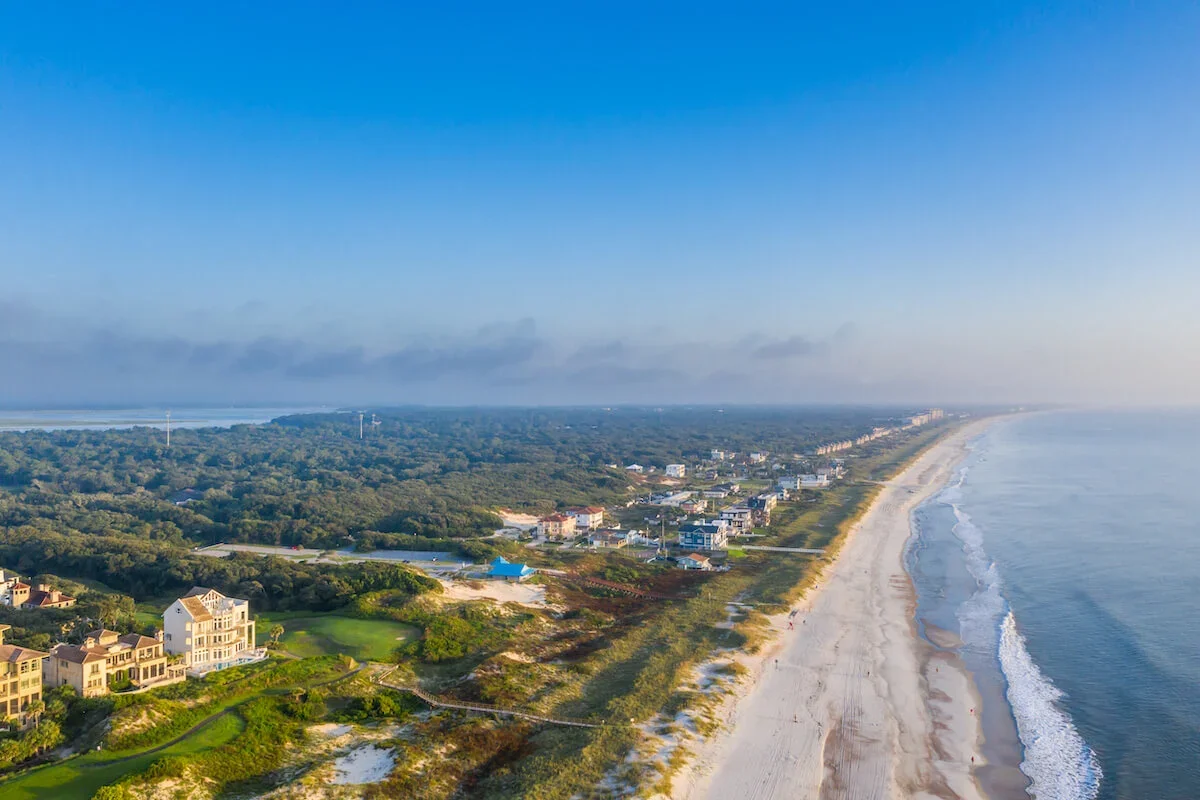
Amelia Island occupies a different place in the coastal Florida imagination, and intentionally so. Located at the northeastern tip of Florida, just 30 miles north of Jacksonville, it is the southernmost of the Sea Islands — a chain of barrier islands stretching up through Georgia and South Carolina that gave rise to the Low Country architectural and cultural traditions that Crane Island honors so deeply.
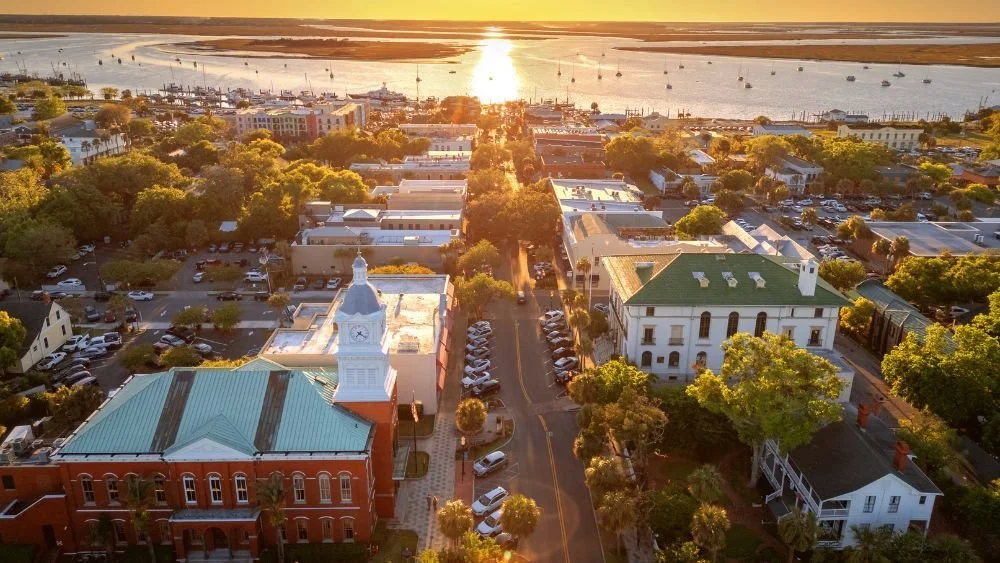
Where 30A is a corridor of destinations strung along a scenic highway, Amelia Island is a place unto itself. Fernandina Beach, the island's historic city, is one of Florida's oldest and most architecturally intact towns, with a Centre Street that functions year-round as a genuine community hub rather than a seasonal attraction. The restaurants, galleries, and shops that line it serve locals as much as visitors.
This is the distinction that matters most for buyers thinking about how they actually want to live: Amelia Island does not close for the season. It does not require you to schedule your errands around peak-hour traffic. It does not ask you to compete with ten thousand short-term rental guests for a parking space in July.
The island's natural environment is equally compelling. Twelve miles of Atlantic beaches, the Intracoastal Waterway, ancient maritime forests, and tidal marshes create a landscape of extraordinary richness — one that rewards the resident who is present in February as generously as the visitor who arrives in August.